

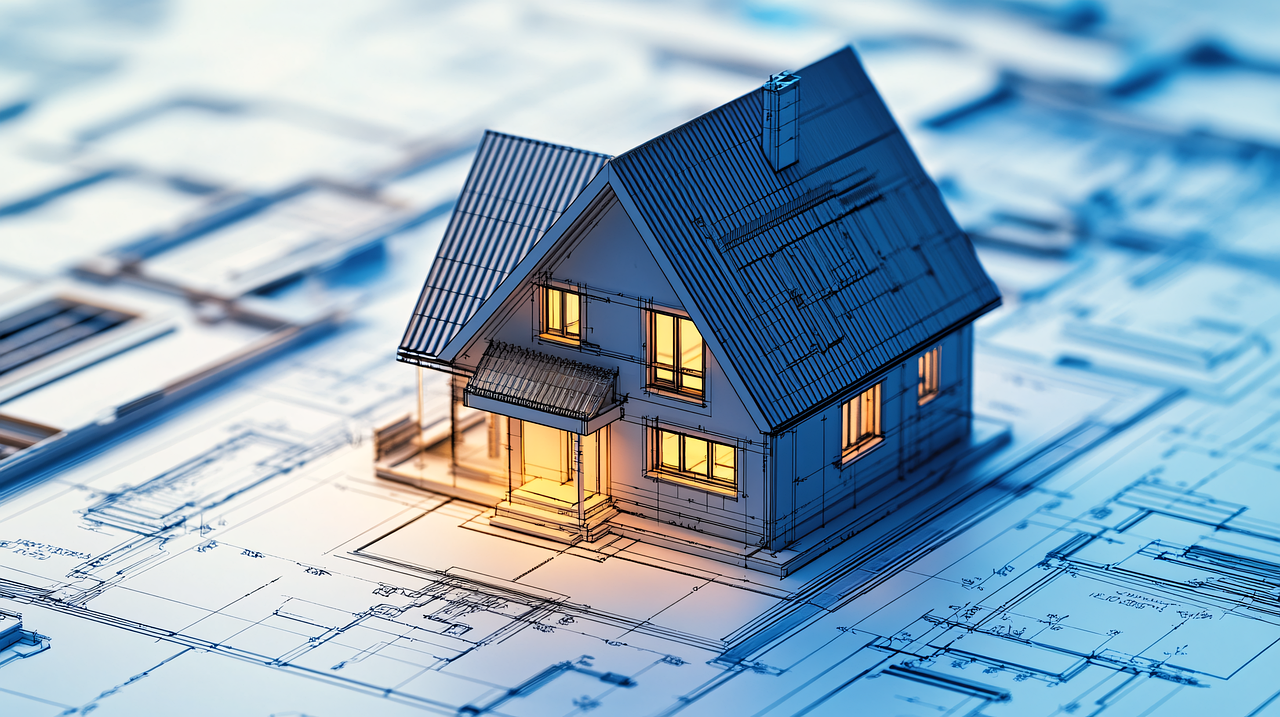
Housing affordability has become one of the most critical challenges facing modern cities. Rapid urbanisation, rising construction costs, land shortages, and sustained demand have pushed residential property prices and rental properties beyond the reach of many households. As traditional supply struggles to keep up, the real estate industry is embracing alternative housing models that prioritise affordability, flexibility, and long-term sustainability.
These models—including affordable housing initiatives, build-to-rent, co-living, and modular housing—represent a structural shift in how housing is delivered and consumed, creating new property investment opportunities across South Africa and globally.
The Rising Need for Affordable Housing
Affordability pressures now affect middle-income earners, first-time buyers, and young professionals—not only low-income households. In many urban areas, housing costs are rising faster than wages, forcing households to spend a growing share of income on accommodation.
Contributing factors include land scarcity, rising building costs, labour constraints, and regulatory complexity. Governments alone cannot meet demand, making public-private partnerships essential to deliver scalable, dignified housing solutions.
UN-Habitat – Housing affordability: https://unhabitat.org
World Economic Forum – Urban housing crisis: https://www.weforum.org
For guidance on navigating local market options, connect with professional real estate agents at
https://www.infoprop.co.za/estate-agents
Build-to-Rent (BTR): Stability Through Rental Supply
Build-to-rent (BTR) developments are designed and managed as long-term rental assets rather than individual sales. Professionally managed by a single owner, BTR delivers consistent maintenance standards, longer lease terms, and improved tenant security.
Economies of scale reduce per-unit costs, enabling competitive rentals while offering shared amenities such as gyms, workspaces, and communal areas. For investors, BTR provides predictable income and reduced vacancy risk, strengthening return on investment in volatile markets.
Urban Land Institute – Build-to-Rent: https://uli.org
Global real estate trends: https://www.jll.com
Explore rental-focused opportunities via
https://www.infoprop.co.za/property-to-rent
Co-Living: Community-Driven Affordability
Co-living reimagines shared accommodation by combining private rooms with communal kitchens, lounges, and workspaces. Popular with young professionals and urban workers, it offers well-located housing at a lower cost than traditional apartments.
Flexible leases, inclusive utilities, and built-in community appeal to mobile lifestyles, while developers benefit from efficient land use and higher occupancy density—supporting sustainable sectional title properties and rental models.
CBRE – Co-living housing model: https://www.cbre.com
Knight Frank – Shared living trends: https://www.knightfrank.com
View emerging residential trends at
https://www.infoprop.co.za/news
Modular Housing: Faster, Smarter Delivery
Modular housing uses factory-built components assembled on-site, dramatically reducing construction timelines and costs. Faster delivery lowers financing expenses and enables quicker occupation—key drivers of affordability.
Modern modular developments now meet high design and energy-efficiency standards, making them suitable for urban residential and mixed-use projects. As acceptance grows, modular housing is becoming a cornerstone of scalable property management solutions.
McKinsey – Modular construction: https://www.mckinsey.com
World Economic Forum – Off-site construction: https://www.weforum.org
Sustainability & Long-Term Affordability
Sustainability and affordability increasingly go hand in hand. Energy-efficient design, water-saving systems, and shared infrastructure reduce long-term living costs for residents. BTR, co-living, and modular developments often integrate these features by default.
As energy costs rise and regulations tighten, sustainable housing remains more resilient, protecting both affordability and long-term asset value.
World Green Building Council: https://www.worldgbc.org
Learn more about sustainable property listings at
https://www.infoprop.co.za
Policy, Partnerships & the Way Forward
Supportive zoning, faster approvals, and government incentives are critical to scaling alternative housing models. Public-private partnerships help unlock land, funding, and expertise, while education and quality design address concerns around density and community impact.
As these models gain acceptance, they will play a vital role in shaping inclusive, liveable cities.
OECD – Affordable housing policy: https://www.oecd.org
Conclusion
Traditional housing alone can no longer meet today’s affordability challenges. Build-to-rent, co-living, and modular housing provide practical, scalable solutions that align with modern lifestyles and economic realities. By prioritising efficiency, flexibility, and sustainability, these models redefine residential living and unlock new value across the real estate sector.
Discover more market insights and investment opportunities with InfoProp Real Estate:
https://www.infoprop.co.za/news
https://www.infoprop.co.za/property-for-sale
Don’t Forget To Visit Our Social Media Chanels.
Please Like, Follow, and Subscribe.